
Spice Up Your Garden: Growing Peppers Hydroponically
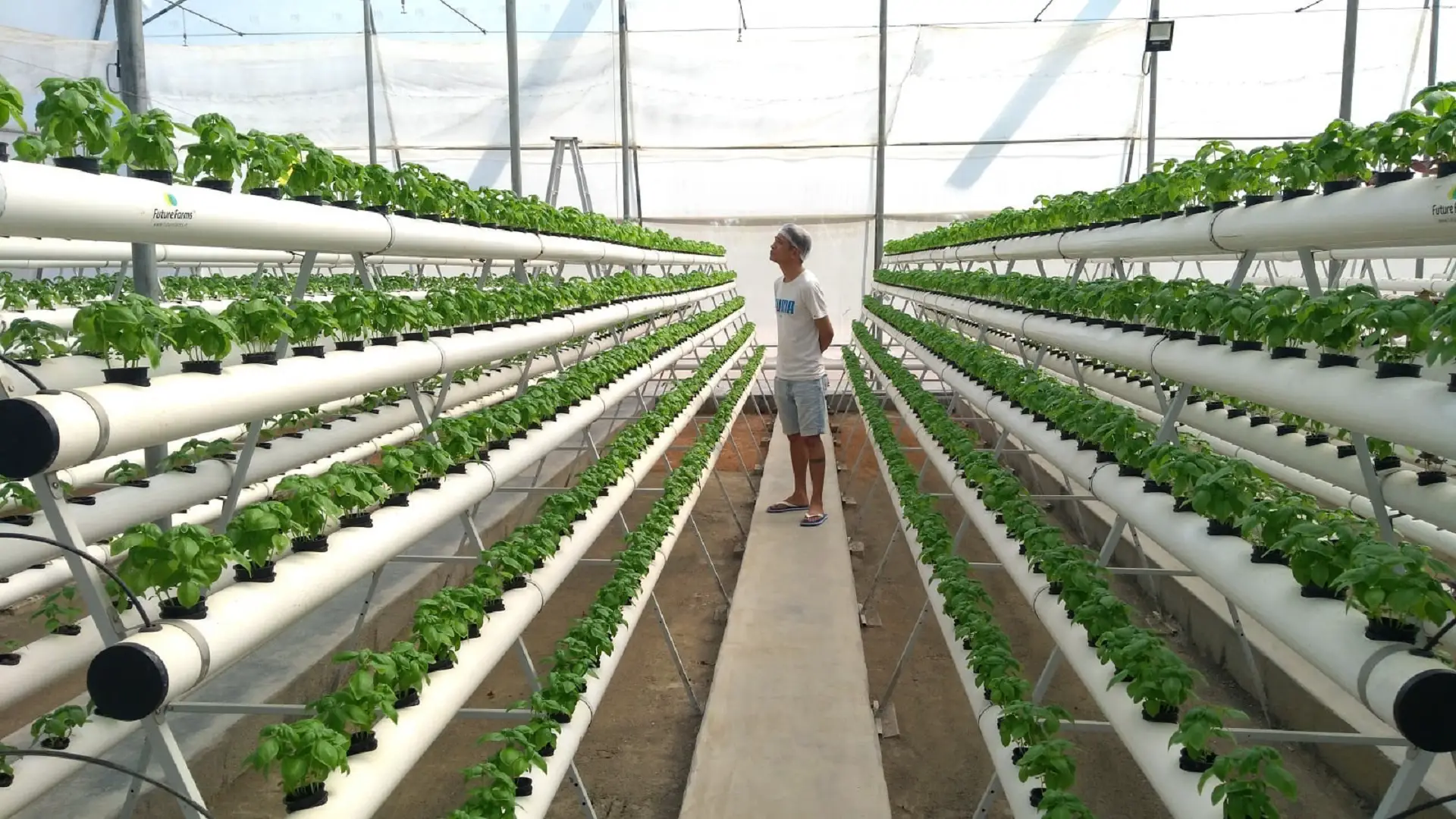
Peppers, with their vibrant colors and spicy or sweet flavors, are a versatile addition to countless dishes. While traditionally cultivated in soil, peppers thrive in hydroponic systems, offering gardeners precise control over growing conditions and potentially higher yields. In this 800-word blog post, we’ll dive into the world of pepper hydroponics, understanding what it is, why it’s advantageous, and how you can embark on your journey to grow peppers hydroponically. For more information regarding hydroponic plant one can visit our site https://hydroponicglobal.com.au/.
What Is Pepper Hydroponics?
Pepper hydroponics is a method of cultivating pepper plants without soil. Instead of relying on traditional soil-based gardening, peppers are grown in a soilless medium or substrate and receive essential nutrients directly through a nutrient-rich water solution. This hydroponic approach provides precise control over growing conditions, leading to healthier plants and potentially higher yields.
Advantages of Pepper Hydroponics:
There are several compelling reasons to consider pepper hydroponics:
1. Controlled Environment: Hydroponic systems offer control over temperature, humidity, light, and nutrient delivery, providing optimal conditions for pepper growth.
2. Faster Growth: Hydroponically grown peppers often mature more quickly than their soil-grown counterparts due to direct access to nutrients and the absence of competition for resources.
3. Higher Yields: With precise nutrient management and ideal growing conditions, hydroponic systems can produce larger, more abundant pepper harvests.
4. Reduced Disease Risk: Hydroponic systems are less susceptible to soil-borne diseases and pests, reducing the need for chemical treatments.
5. Year-Round Cultivation: Hydroponic peppers can be grown year-round, ensuring a consistent supply of fresh, homegrown peppers regardless of the season.
Getting Started with Pepper Hydroponics:
Here’s a step-by-step guide to help you begin your own hydroponic pepper garden:
1. Choose a Hydroponic System:
– Dutch Bucket System: This method uses buckets or containers filled with a growing medium, with each plant receiving its nutrient solution.
– Nutrient Film Technique (NFT): In NFT, a thin film of nutrient solution continuously flows over the pepper plant roots in a sloped trough or channel.
– Deep Water Culture (DWC): Pepper plants are suspended in a nutrient solution, often with the assistance of floating rafts.
2. Select Pepper Varieties:
Choose pepper varieties that are well-suited for hydroponic cultivation. Compact varieties with a bushy growth habit are often preferred for indoor or limited space hydroponic gardens.
3. Prepare the Growing Medium:
Select a growing medium such as coconut coir, perlite, or rock wool. This medium provides support for pepper plants while ensuring proper root aeration.
4. Nutrient Solution:
Prepare a balanced nutrient solution specifically formulated for hydroponic peppers. It should contain the essential macronutrients (nitrogen, phosphorus, potassium) and micronutrients (iron, manganese, zinc, etc.).
5. Planting:
Plant pepper seedlings or seeds in the chosen growing medium. Ensure proper spacing to allow for adequate growth.
6. Environmental Control:
Monitor and control environmental factors such as temperature, humidity, and light. Peppers typically require 12-16 hours of light per day.
7. Nutrient Management:
Maintain the pH and EC (electrical conductivity) of the nutrient solution within optimal ranges. Regularly check and adjust nutrient levels to ensure healthy growth.
8. Water Management:
Monitor the water level in your system and maintain proper aeration and circulation. Adequate oxygenation of the root zone is crucial for pepper health.
9. Pruning and Support:
As pepper plants grow, provide support with stakes or trellises. Prune and trim the plants as needed to encourage airflow and prevent overcrowding.
10. Harvesting:
Peppers can be harvested as soon as they reach the desired size and color. Use clean, sharp scissors or pruning shears to cut the peppers from the plant.
Conclusion
Pepper hydroponics offers an exciting way to grow flavorful, homegrown peppers regardless of the time of year or available space. With the right hydroponic system, proper nutrient management, and attention to environmental conditions, you can enjoy the satisfaction of harvesting your own peppers, free from pesticides and contaminants. Whether you’re a seasoned gardener or a beginner, pepper hydroponics provides an accessible and rewarding path for exploring soilless gardening while savoring the taste of your freshly grown peppers in your favorite culinary creations.