
Ready for Takeoff: A Journey into the World of Pilot Education
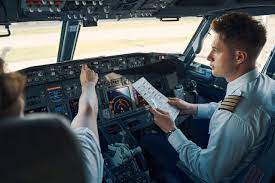
Welcome aboard! If you’ve ever gazed up at a passing airplane with wonder and imagined what it would be like to take the controls and soar through the skies, then you’ve already taken the first step on an exciting journey into the world of pilot education. Becoming a pilot is a dream shared by many, and this comprehensive guide will take you through the exhilarating process of pilot education, from the first flight lesson to earning your wings and beyond. So, fasten your seatbelts and get ready for takeoff as we embark on a thrilling journey that will unveil the skies like never before! If you’ve ever wondered how to become a pilot, the first step is to find a reputable flight school.
The Skyward Ascent: Why Become a Pilot?
1. A Love for Adventure
At the heart of pilot education lies a deep love for adventure. As a pilot, you’ll have the opportunity to explore new horizons, travel to exotic destinations, and experience the thrill of flight like few others can.
2. Challenges and Rewards
Becoming a pilot is not without its challenges, but the rewards are equally fulfilling. The sense of accomplishment from mastering flight skills, conquering fear, and overcoming obstacles is unmatched.
3. Freedom of the Skies
Imagine the freedom of soaring above the world, unrestricted by roads and borders. As a pilot, you’ll have the skies as your domain, and each flight will be an exhilarating adventure.
Preparing for Flight: The Path to Pilot Education
1. Academic Foundations
While a specific college degree is not a requirement for pilot education, a solid academic foundation in subjects like math, physics, and geography can be advantageous. High school graduates are eligible to pursue pilot training.
2. Medical Requirements
Before taking flight, aspiring pilots must pass a comprehensive medical examination to ensure they meet the physical and mental fitness standards required for safe aviation.
3. Choosing the Right Flight School
Selecting the right flight school is critical for a successful pilot education journey. Look for accredited institutions with experienced instructors, modern aircraft, and comprehensive training programs.
Taking to the Skies: The Pilot Training Process
1. Private Pilot License (PPL)
The journey begins with the Private Pilot License (PPL), where you’ll learn the fundamentals of flight, navigation, and aircraft control. This stage includes both classroom learning and practical flight training.
2. Building Flight Experience
After obtaining the PPL, it’s time to build flight experience by logging hours in the cockpit. Many aspiring pilots become flight instructors during this phase to refine their skills while guiding others.
3. Instrument Rating (IR) and Commercial Pilot License (CPL)
The next milestones are the Instrument Rating (IR) and the Commercial Pilot License (CPL). The IR allows you to fly in varying weather conditions, while the CPL enables you to fly for compensation.
4. Multi-Engine and Advanced Certifications
For those seeking to fly larger and more complex aircraft, additional training for multi-engine ratings and advanced certifications, such as the Airline Transport Pilot License (ATPL), is essential.
Embracing the Professional Pilot Lifestyle
1. Safety is Paramount
Safety is a core value in pilot education and the aviation industry. Professional pilots prioritize safety above all else and adhere to strict procedures and protocols to ensure secure flights.
2. Continued Learning
Pilot education doesn’t end with acquiring licenses. Professional pilots engage in continuous learning through recurrent training and staying updated with the latest aviation advancements.
3. Crew Resource Management (CRM)
Effective communication and teamwork are crucial in the cockpit. CRM training emphasizes collaboration between pilots, flight attendants, and other crew members to enhance safety and efficiency.
Navigating Career Paths: The Sky’s the Limit
1. Commercial Airlines
Many pilots aspire to fly for commercial airlines, transporting passengers across the globe and exploring a variety of cultures and destinations.
2. Corporate and Charter Operations
Corporate pilots have the opportunity to fly business executives and high-profile clients, while charter pilots offer on-demand flight services for various customers.
3. Cargo Carriers
Cargo pilots play a vital role in transporting goods and essential supplies across national and international borders.
4. Flight Instructors
Experienced pilots can become flight instructors, passing on their knowledge and passion for aviation to the next generation of aviators.
5. Bush and Remote Flying
For pilots seeking adventure in challenging terrains and remote locations, bush flying offers unique and exhilarating opportunities.
Conclusion: The Sky’s the Limit!
Pilot education is an awe-inspiring journey that unlocks the door to endless possibilities and adventures. Whether your dream is to fly for commercial airlines, explore the remotest corners of the world, or become a flight instructor, the sky’s the limit in the aviation industry.