
Online Gaming Addiction: Is Your Favorite Game Taking Over Your Life?
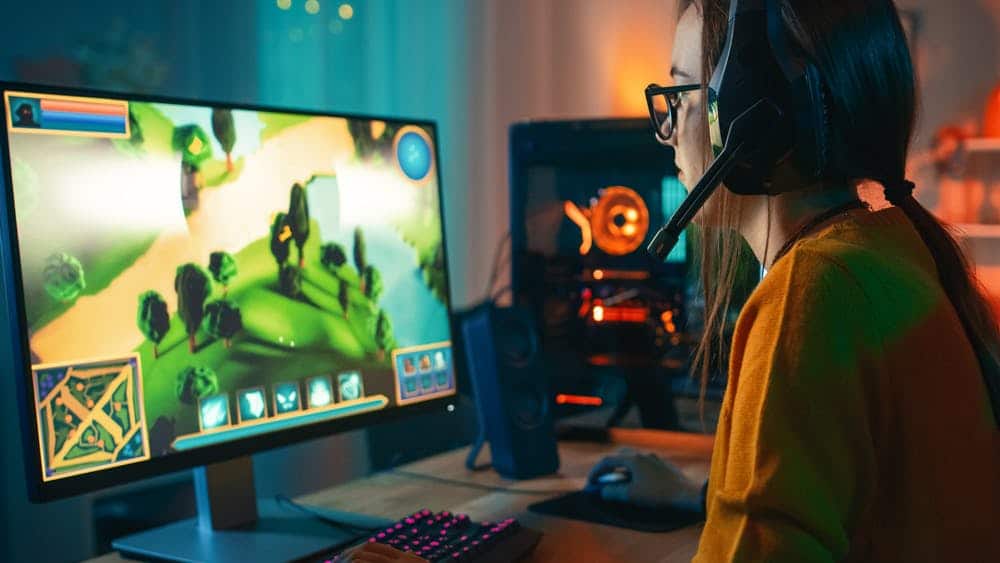
Online gaming has become an increasingly popular form of entertainment, offering immersive experiences and social interactions. While gaming can be a fun and enjoyable hobby, it is important to be aware of the potential risks of online gaming addiction. With singapore live casino, players can enjoy the thrill of real-time gameplay, interacting with professional dealers and other players through live chat features. This article explores the signs, causes, and effects of online gaming addiction, as well as providing strategies for maintaining a healthy gaming balance.
Understanding Online Gaming Addiction
What is Online Gaming Addiction?
Online gaming addiction, also known as gaming disorder, refers to an excessive and compulsive pattern of gaming that disrupts various aspects of an individual’s life. It is characterized by an uncontrollable urge to play games, a preoccupation with gaming activities, and the inability to control or limit gaming despite negative consequences.

Signs and Symptoms of Online Gaming Addiction
Signs of online gaming addiction may include:
- Preoccupation with gaming, thinking about gaming even when not playing.
- Neglecting other important responsibilities, such as work, school, or relationships.
- Spending increasing amounts of time on gaming.
- Failed attempts to reduce or stop gaming.
- Irritability, restlessness, or mood swings when unable to play.
- Withdrawal from social activities and hobbies.
- Physical symptoms like fatigue, headaches, or poor hygiene due to excessive gaming.
Causes of Online Gaming Addiction
Escapism and Emotional Regulation
Online gaming offers an escape from real-life problems and emotions. It provides a sense of control, achievement, and social connection that may be lacking in other areas of life. Some individuals may turn to gaming as a coping mechanism to deal with stress, anxiety, loneliness, or other emotional difficulties.
Social Interactions and FOMO
The social aspect of online gaming can contribute to addiction. Many games provide opportunities for social interactions, teamwork, and a sense of belonging to a community. Fear of missing out (FOMO) on in-game events or social connections can lead individuals to spend excessive amounts of time gaming to stay connected with their peers.
Game Design and Rewards
Game designers often employ psychological techniques to keep players engaged and coming back for more. Features like achievements, level-ups, and loot systems trigger the release of dopamine, a neurotransmitter associated with pleasure and reward. This constant reward cycle can create a powerful psychological drive to keep playing, leading to addictive behaviors.
Effects of Online Gaming Addiction
Physical and Health Consequences
Excessive gaming can have various physical and health consequences. Prolonged sitting or poor posture during gaming sessions can lead to musculoskeletal issues, such as back pain or repetitive strain injuries. Irregular sleep patterns, disrupted eating habits, and lack of exercise can also have a negative impact on overall physical health.
Academic and Occupational Impairment
Online gaming addiction can significantly impact academic or occupational performance. Individuals may neglect their responsibilities, leading to poor grades, missed deadlines, or job loss. Decreased productivity, lack of focus, and difficulty concentrating can further exacerbate these negative outcomes.
Interpersonal and Relationship Problems
Excessive gaming can strain relationships with family, friends, and romantic partners. Neglected social activities, reduced communication, and emotional disconnection can lead to feelings of isolation and conflict within relationships. This strain can further contribute to social withdrawal and reinforce the cycle of gaming addiction.
Strategies for Maintaining a Healthy Gaming Balance
Set Boundaries and Schedule Gaming Time
Establish clear boundaries for your gaming activities. Set specific limits on the amount of time you spend gaming each day or week. Create a schedule that balances gaming with other responsibilities, such as work, school, exercise, and social activities.
Engage in Alternative Activities
Diversify your interests and engage in activities beyond gaming. Pursue hobbies, sports, or other forms of entertainment to broaden your experiences and reduce the time spent solely on gaming. Explore offline activities that promote physical, mental, and social well-being.
Practice Self-Awareness and Monitoring
Be mindful of your gaming habits and how they impact your life. Regularly assess the amount of time and emotional energy you invest in gaming. Take note of any negative consequences or changes in behavior. If you notice signs of addiction, seek support and consider professional help.
Seek Social Support
Connect with friends, family, or support groups who understand and can provide assistance in managing gaming habits. Share your concerns and goals with trusted individuals who can offer guidance, encouragement, and accountability. Engaging in social activities outside of gaming can also help foster a balanced lifestyle.
Prioritize Self-Care and Well-Being
Take care of your physical and mental health. Prioritize sufficient sleep, exercise, and a balanced diet. Engage in stress-reducing activities, such as meditation, mindfulness, or therapy. Cultivate healthy coping mechanisms to manage emotions and stressors in a constructive way.
Conclusion
While online gaming can be an enjoyable and immersive experience, it is essential to maintain a healthy balance to avoid the risks of online gaming addiction. By being aware of the signs, causes, and effects of addiction, and implementing strategies for moderation, you can ensure that gaming remains a positive and fulfilling part of your life. Remember to prioritize self-care, set boundaries, and seek support when needed. With a mindful approach, you can enjoy the benefits of online gaming while maintaining a healthy and balanced lifestyle.