
Behind the Scenes: Exploring the World of Cinematic Video Editing
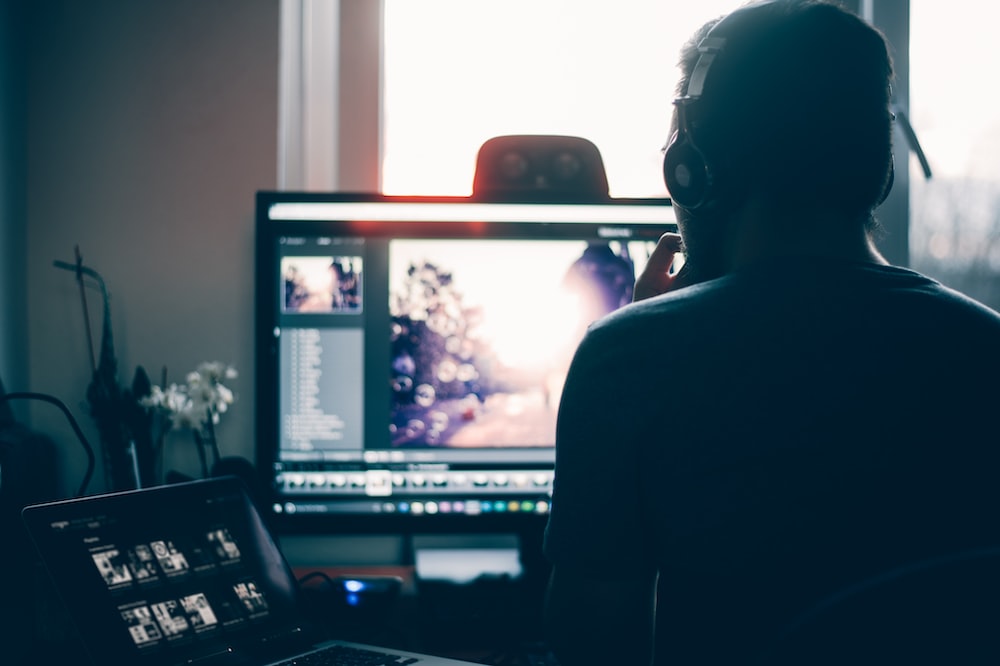
Welcome to the captivating world of cinematic video editing, where the magic of storytelling comes to life on the screen. Cinematic video editing is an art form that goes beyond mere technicalities, encompassing creativity, emotion, and a keen eye for detail. The photographer edited the landscape images beautifully using a variety of lightroom presets. In this article, we will take you behind the scenes of cinematic video editing, delving into the techniques, tools, and mindset that bring visual stories to fruition.
The Art of Visual Storytelling
At the heart of cinematic video editing is the art of visual storytelling. It’s about crafting a compelling narrative that captivates the audience, evokes emotions, and leaves a lasting impression. Every shot, cut, and transition contributes to the overall story, guiding the viewers through an immersive and engaging experience.
The Role of the Cinematic Video Editor
A cinematic video editor is much more than a technician who assembles footage. They are storytellers, shaping the raw materials into a cohesive and evocative tale. The editor collaborates closely with directors, cinematographers, and other creatives to ensure that the vision for the project is realized.
Understanding the Editing Process
1. Ingesting and Organizing Footage
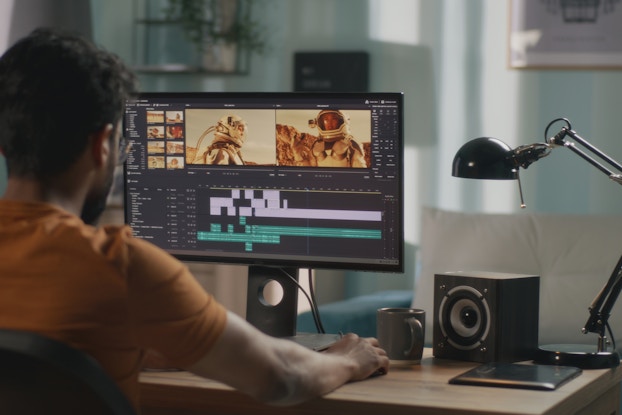
The editing process begins with ingesting the raw footage into the editing software. The editor carefully organizes the clips, creating a clear structure to facilitate the storytelling process.
2. Selecting the Best Takes
Not all shots make it into the final cut. The editor must carefully choose the best takes that align with the director’s vision and support the narrative flow.
3. Establishing the Pace
The pacing of a cinematic video is crucial in building tension, evoking emotions, and maintaining the audience’s interest. The editor works with timing, cuts, and transitions to establish the right rhythm for the story.
4. Crafting Seamless Transitions
Seamless transitions ensure that the audience remains fully immersed in the story. Smooth cuts, dissolves, and creative transitions enhance the flow between scenes.
5. Color Grading and Visual Effects
Color grading and visual effects play a significant role in setting the mood and atmosphere of the video. The editor fine-tunes colors and adds effects to achieve the desired cinematic look.
6. Audio Enhancement
Sound is a vital component of cinematic video editing. The editor balances dialogue, background noise, music, and sound effects to create a powerful auditory experience.
Tools of the Trade
1. Professional Editing Software
Cinematic video editing requires powerful and feature-rich editing software. Adobe Premiere Pro, Final Cut Pro, and DaVinci Resolve are among the industry-standard choices.
2. Motion Graphics and Visual Effects Software
For complex visual effects and motion graphics, editors often rely on software like Adobe After Effects or Nuke.
3. High-Quality Monitors and Calibration Tools
To ensure accurate color grading, editors use high-quality monitors with proper calibration tools.
4. Music and Sound Libraries
Access to a vast collection of music and sound effects libraries allows editors to find the perfect audio elements to complement the visuals.
The Mindset of a Cinematic Video Editor
Beyond technical expertise, the mindset of a cinematic video editor is critical to the success of the project. It involves:
1. Storytelling Sensibility
Having a keen understanding of storytelling and an eye for the finer details that contribute to the narrative.
2. Collaboration and Adaptability
Working collaboratively with the creative team and being adaptable to changes and feedback.
3. Patience and Perseverance
The editing process can be time-consuming and challenging, requiring patience and a willingness to iterate until the desired results are achieved.
4. Creative Exploration
An openness to experimentation and creative exploration to discover innovative ways to tell the story.
Conclusion
Cinematic video editing is a captivating journey that merges technical expertise with artistic vision. As a cinematic video editor, you have the power to shape stories, evoke emotions, and transport the audience into new worlds. With each cut, transition, and color adjustment, you weave together a tapestry of visual storytelling that leaves a profound impact on the viewers.
Embrace the artistry of cinematic video editing, and let your passion for storytelling guide you. Cultivate your technical skills, hone your storytelling sensibility, and approach each project with the mindset of a true cinematic video editor. By doing so, you will create cinematic masterpieces that resonate with audiences and leave them in awe of the magic that unfolds behind the scenes.
So go forth, equipped with the tools of the trade and a storyteller’s heart, and explore the world of cinematic video editing—a world where imagination meets reality and the art of visual storytelling thrives.