
How To Install Aluminum Rails: A Step-By-Step Guide
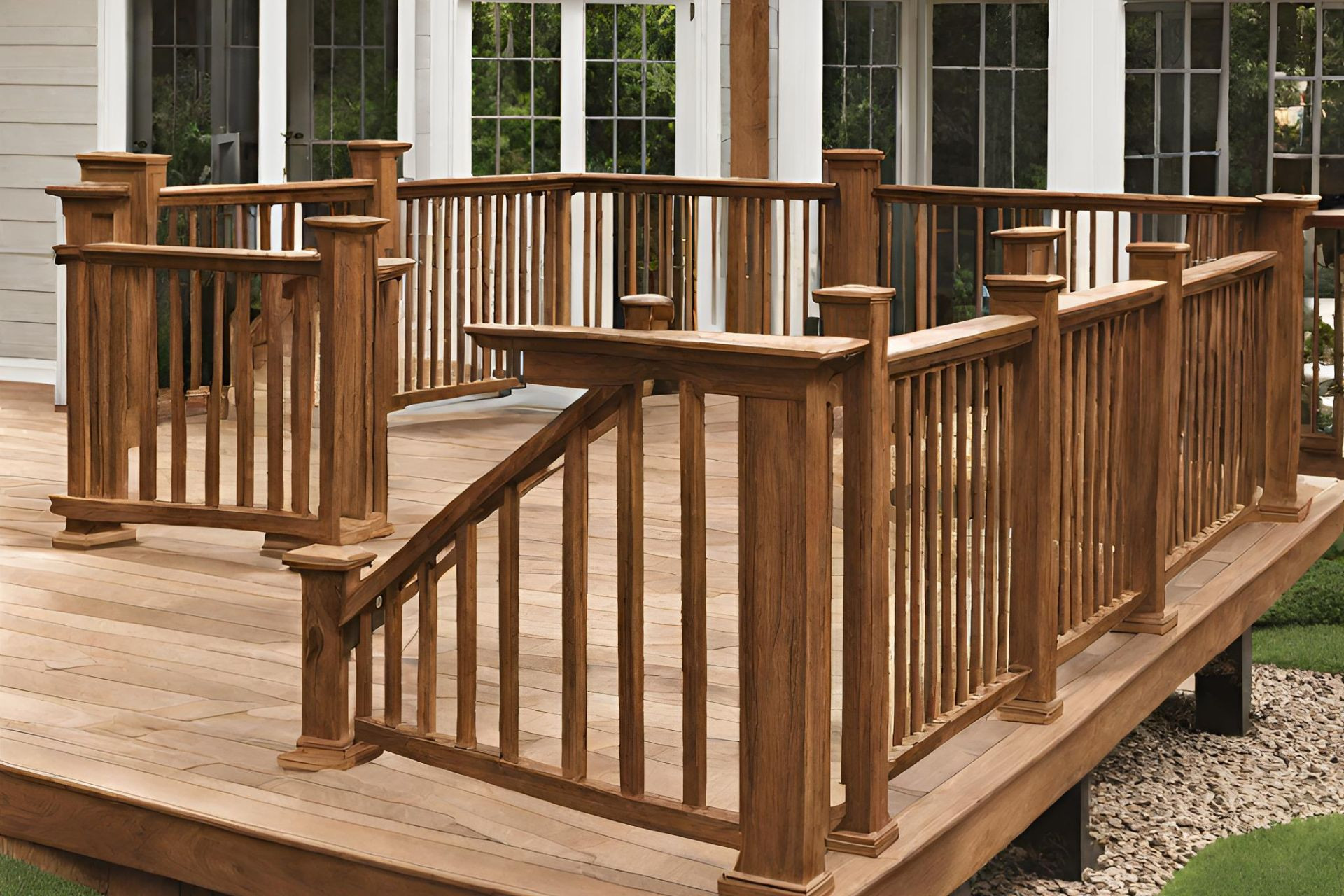
Aluminium rails are an increasingly popular choice in various industries, thanks to their lightweight, durable, and corrosion-resistant properties. These versatile materials are utilized in applications ranging from construction and transportation to manufacturing and logistics. With the growing demand for sustainable and efficient solutions, aluminium rails offer a compelling alternative to traditional materials, making them a focal point for innovation in design and engineering.
This article delves into the various types of aluminium rails, their applications, and the benefits they provide. We will explore the reasons behind their rising popularity, discuss the manufacturing processes involved, and highlight noteworthy projects and advancements. Whether you’re a builder, engineer, or simply interested in modern materials, understanding the significance of aluminium rails can help you appreciate their role in shaping the future of multiple sectors.
Types of Aluminium Rails
Aluminium rails come in various types, each tailored to meet specific needs across different industries. For instance, T-slot rails are popular in manufacturing and assembly applications, allowing for easy attachment of components, whereas heavy-duty rails are designed to withstand significant loads in structural applications. Additionally, decorative aluminium spindles and railings, which enhance aesthetic appeal in residential and commercial settings, are gaining traction. For a closer look at these stylish options, you can explore the range available at https://ozaluminiumrailing.ca/aluminium-spindle-railing/.
Benefits of Aluminium Rails
The benefits of using aluminium rails are manifold, contributing to their growing adoption in a variety of applications. They are not only lightweight and easy to handle but also resistant to corrosion, which significantly extends their lifespan compared to traditional materials like steel or wood. This durability translates into lower maintenance costs and improved safety standards in construction and transport. Additionally, aluminium’s recyclability aligns with global sustainability goals, making them a preferable choice for environmentally conscious projects.
In conclusion, aluminium rails represent a modern marvel, seamlessly blending practicality and aesthetics to fulfill diverse industry needs. Their unique combination of lightweight strength, corrosion resistance, and versatility makes them ideal for a wide array of applications, from structural reinforcement to decorative elements. As industries continue to emphasize sustainability and efficiency, the utilization of aluminium rails is set to expand, paving the way for innovative designs and smarter engineering solutions. By embracing this forward-thinking material, professionals are not only enhancing functionality and safety but also contributing to a greener future, ultimately demonstrating that aluminium rails are not just a trend but a transformative force in contemporary construction and manufacturing.